Furniture supports the practical and visual organization of living spaces, from seating and storage to pieces that define how a room is used. Materials, dimensions, construction, and maintenance needs all affect comfort and durability. Understanding these characteristics helps households assess how furniture fits their routines, available space, and interior design.
Sofas are central furniture pieces for conversation, rest, and everyday activities. Their frame, cushioning, upholstery, and seat depth influence support and comfort, while overall dimensions determine how they fit a room. Fabric type and construction can also affect cleaning requirements, wear resistance, and suitability for homes with frequent use.
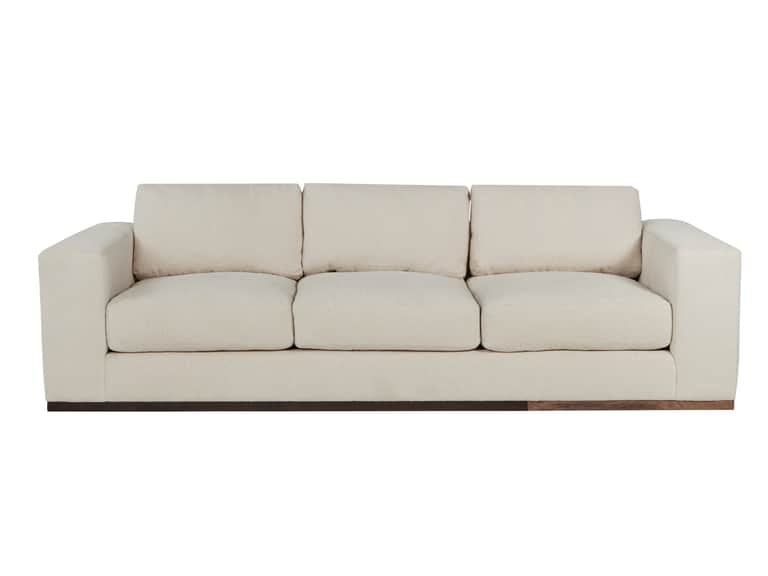
The Cisco Home Safia Sofa is a seating option designed for living spaces where comfort and a considered silhouette are important. Its upholstered form provides a place to sit and relax, while its sofa configuration can support shared use. As with other furniture, dimensions and upholstery details help determine placement and care needs.
Furniture works alongside soft furnishings to create a functional, comfortable room. Bedding and sheets serve sleeping areas, while a pillow cover protects or changes the appearance of a cushion. Coordinating these textiles with sofas and other furniture can help establish visual continuity, while selecting materials suited to their intended use supports everyday maintenance.
When evaluating furniture, consider room measurements, circulation space, intended use, and the care instructions for each material. For a sofa such as the Cisco Home Safia Sofa, assess seating capacity and placement in relation to other furnishings. These practical considerations help connect furniture, bedding, sheets, and pillow cover choices to household needs.
 Furniture